New Course Spring 2026 – Discovering your Family History Made Easy

Discovering your Family History Made Easy 

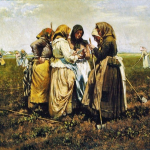
Women Turnip Hoeing
Turnip Hoeing

Gain a deeper understanding of the most used family history resources, and the use of correct research techniques. Topics covered: how to use online genealogical search websites in a professional way; how to interpret correctly census records, parish registers, birth, marriage and death certificates

Location: Stoke Lodge, Bristol (BS9 1BN)

Start Date: 14 Jan 2026 (Spring)   Times: Wed 18:30-20:30   Duration: 10 weeks

Places selling fast – only a few places left.

BOOK NOW HERE

“They Hanged My Ancestor”: Discovering a Transported or Executed Forebear in the 17th or 18th Century

Genealogy can offer thrilling discoveries: noble connections (rarely), forgotten family fortunes (rarely), or ancestors who served in a war. But what happens when you stumble across a darker thread in your family history — an ancestor who was transported across the globe as punishment or even executed for their crime? The 17th and 18th centuries were periods of enormous social, legal, and political upheaval, and thousands of people, many of who poor, voiceless, and desperate, found themselves facing the harsh elitist class-made early modern justice.

Discovering that an ancestor was transported or hanged can stir complex emotions: surprise, shame, curiosity, even pride. But these stories are also rich with historical insight and can offer a powerful glimpse into the struggles and injustices of the past.

In this article, I will explore:

  • How such discoveries are made in family history research;

  • The legal systems and punishments of the 17th and 18th centuries;

  • Common crimes and sentencing;

  • The experience of transportation and execution;

  • How these histories can enrich our understanding of our ancestors.

Many family historians come across an unexpected criminal ancestor while searching court records, assize reports, old newspaper reports, or transportation lists. It might begin with a cryptic note in a parish burial register: “Executed for theft.” Or a name in a convict register bound for Virginia or later, Australia. Perhaps it’s a court record from the Old Bailey detailing a trial and sentence.

Records that can yield this information include:

  • Assize court records: Regional courts that tried serious criminal offences.

  • Old Bailey Proceedings: Transcriptions of trials at London’s central criminal court from the late 17th century onward.

  • Gaol delivery rolls: Records of those tried and held in jail.

  • Transportation registers: Lists of those sent to the American colonies or later to Australia.

  • Calendars of prisoners: Often included details of prisoners awaiting trial or execution.

  • Newspapers and pamphlets: Public executions were widely reported and names often mentioned.

You might even find personal details — a description of your ancestor’s age, trade, or physical features. Occasionally, letters of appeal or petitions survive, especially if the case attracted local sympathy.

A Harsh and Unequal System

Law and Justice in the 17th and 18th Centuries

The English legal system of the early modern period was complex, deeply hierarchical, and often arbitrary. There was no single “police force” in the modern sense. Crimes were usually reported by victims, investigated by local constables, and tried by Justices of the Peace or Assize judges travelling on circuit which was very common.

The system was underpinned by a strong emphasis on property, and many punishments — particularly the death penalty — were directed at crimes against wealth and land, rather than violence. The legal framework was shaped by class. Wealthy offenders might be fined or pardoned, while the poor could face death for what today would be considered minor theft.

The Bloody Code

By the late 17th century, and especially into the 18th century, England’s legal system had developed what historians now call the “Bloody Code.” By 1815, over 200 offences were technically punishable by death. These included:

  • Stealing goods worth more than 1 shilling (5p);

  • Cutting down a young tree;

  • Being out at night with a blackened face (seen as a sign of intent to rob);

  • Stealing from a shipwreck;

  • Writing a threatening letter.

The aim was deterrence by using harsh punishment to maintain order, especially in a society where wealth and power were unequally distributed. But this also meant that the poor, desperate and often illiterate, were more likely to fall foul of the law.

Crime and Punishment

Common Offences

If your ancestor was executed or transported in this era, the most likely offences include:

  • Theft and burglary: The most common offences; stealing food, clothing, livestock, or money.

  • Poaching: Seen as theft from landowners and harshly punished.

  • Coin clipping or forgery: Considered treason and often led to execution.

  • Political rebellion: In times of unrest (such as the 1685 Monmouth Rebellion or the Jacobite risings), thousands were sentenced to death or transportation.

  • Infanticide: Desperate single mothers sometimes concealed pregnancies or disposed of infants — a capital offence.

  • Arson, highway robbery, and assault with intent to rob: These were capital offences.

Transportation: A Living Death?

From the early 17th century, transportation became a key form of punishment. England’s prisons were overcrowded, and rather than hang everyone, many were sent across the Atlantic to serve terms of hard labour in the colonies.

  • To the Americas (1615–1775): Convicts were sent to Virginia, Maryland, and the Caribbean.

  • To Australia (1787–1868): After the American War of Independence, transportation shifted to Botany Bay and Van Diemen’s Land (Tasmania).

Transported convicts could be sentenced to 7 years, 14 years, or life, and they often endured horrific sea journeys lasting months. Many died en route. Once there, they were sold or assigned to work on plantations, farms, or infrastructure projects. A few rose in status and even became free settlers; most endured hard labour and harsh conditions.

Transportation was sometimes commuted from a death sentence — so a record showing a person sentenced to death may also indicate a later reprieve. Many petitions for mercy survive in the National Archives, especially if local communities supported the prisoner.

Execution as Spectacle

If your ancestor was executed, their final moments were likely public and ritualised. Public executions were seen as a moral lesson — a deterrent — and could draw thousands of spectators. These events were held outside city gates, at crossroads, or in prominent public places such as Tyburn in London. The condemned might be paraded in a cart, allowed to speak or pray, and then hanged before the crowd. The body was sometimes left to hang as a warning, or in later years, sent for dissection under the Murder Act of 1752. Children were occasionally among the executed. For instance, 14-year-olds were hanged for theft, and younger children could be imprisoned or whipped.

Yet executions could also provoke sympathy. Some condemned prisoners were seen as victims of harsh justice — especially young women or first-time offenders. Popular ballads, pamphlets, and broadsides sometimes told their stories, creating folk heroes of the condemned.

Stories Behind the Names

To find your ancestor in these contexts is to uncover a story — not of shame, but of survival, desperation, and resistance in a brutal system. Here are just a few examples from historical records:

The Case of Mary Siddon, 1776

Mary, a 22-year-old servant, was convicted at the Old Bailey for stealing a handkerchief. The court sentenced her to death, but her sentence was later commuted to transportation for seven years to America. She was described as “a sober and industrious girl” and had no prior convictions. Her trial transcript survives, offering insight into her words and demeanour in court.

Thomas Hill, Executed 1723

Thomas, a farm labourer from Wiltshire, was caught poaching a deer on an aristocrat’s estate. As a repeat offender, he was sentenced to death. His execution at Salisbury was attended by hundreds. A local pamphlet described him as a “bold man with a disdain for cruel laws.” His story became part of local folklore.

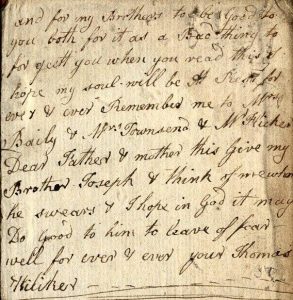
Thomas’ letter written the night before his execution.https://www.salisburyjournal.co.uk/news/24097277.bygone-salisbury-thomas-helliker-last-words/

Thomas Helliker, Executed 1803

Thomas was a shearman who was hanged at Fisherton Gaol, Salisbury, on March 22, 1803. He was nineteen years old at the time of his execution. He was convicted for his alleged involvement in the destruction of a mill by fire and for shearing frames. His case is notable for the public outrage surrounding his execution, despite his claims of innocence and an alibi. 

John Walsh, Irish Rebel

After the 1798 Irish Rebellion, many participants were captured and sentenced by British courts. John Walsh, a Catholic tenant farmer, was transported to New South Wales in 1800 for his involvement in a seditious meeting. He left behind a wife and children. His descendants still live in Australia.

Genealogical Tips: Researching Criminal Ancestors

If you suspect an ancestor may have been executed or transported, here is how to trace them:

Search Court and Criminal Records

  • Old Bailey Online (for London): https://www.oldbaileyonline.org

  • British Newspaper Archive: Reports of executions and crimes.

  • Ancestry and Findmypast: Both have convict registers and transportation records.

  • National Archives (UK): Particularly HO (Home Office) series, for criminal petitions, transportation orders, and execution records.

Check Parish Registers

Sometimes the local clergy noted executions or transportations in burial or baptismal entries.

Explore Colonial Records

If your ancestor was transported, look for:

  • Convict musters and assignment records.

  • Pardons and tickets of leave (for early release).

  • Marriage or burial records in the colonies.

Interpreting Their Story

What should you make of an ancestor executed for theft or transported for rebellion? These are not just “criminals” but people shaped by their times: by poverty, injustice, and the immense inequalities of early modern Britain. Their stories are worth telling, not hiding. They reveal the lived experience of the lower classes, the operation of a harsh legal system, and the resilience of individuals who endured punishments unimaginable today.

Your ancestor might have stolen to feed a starving family, or rebelled against landlord injustice, or fallen foul of a system rigged against the poor. These are not tales of shame, but of history — and by exploring them, you can reclaim your family’s past with greater understanding and empathy.

Conclusion: From Stigma to Storytelling

Discovering a transported or executed ancestor opens a compelling window into the realities of the 17th and 18th centuries. These were times of repression, resistance, and of transformation. Ordinary people, your ancestors, bore the brunt of a brutal legal system designed to maintain the status quo. In telling their stories, we honour their struggles and shine a light on the injustices of the past. In doing so, we ensure their voices are not lost, that they, too, take their rightful place in the ever-evolving story of our families.

NEW COURSE in Bristol – Starts 23rd April 2025

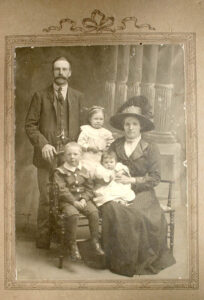
Heritage Found black and white image of familyDiscover your Family History 

Unlock the secrets of your family’s past with our captivating genealogy course!                

Wednesdays 1 pm- 2 pm               

           10 sessions from 23rd April 2025 at Stoke Lodge, Bristol BS9 1BN

To enquire or book please click HERE

“Unlock Your Ancestry with Award-Winning Tutor Rosemary Caldicott – Discover Your Family History Today!”

The History of English Parish Records

Introduction to Parish Records

Parish records are documents that record events in the lives of individuals within the jurisdiction of an English parish. These records are among the oldest and most valuable sources for historians and genealogists, offering insight into the daily lives, religious practices, and social structures of past communities.

Early Origins (6th to 12th Century)
The origins of parish records date back to the establishment of the Church in England in the 6th century. However, the formal recording of events, such as baptisms, marriages, and burials, began in the late medieval period.

  • Pre-Norman Period (before 1066): Before the Norman Conquest, the recording of personal events was informal and often inconsistent. The Church played a vital role in local life, but records were not systematically kept.
  • Post-Norman Conquest (1066 onwards): Following the Conquest, William the Conqueror ordered a more structured approach to recording land ownership, and the Church began to document events related to the local population more consistently. However, these were often local and varied greatly from parish to parish.

The Church and the Role of the Parish Priest (12th to 16th Century)
By the 12th century, parishes in England became the primary administrative unit of the Church. The parish priest was responsible for maintaining records, and the Church began to keep more detailed records of the major life events within the community.

  • Baptisms, Marriages, and Burials: The three major events documented by parish priests were baptisms (births), marriages, and burials (deaths). These were often recorded in separate registers, though in some cases all events were kept together.
  • Wills and Property: In addition to the sacramental records, parish priests might also have documented wills or other legal matters. Some parishes were required to keep records of the poor, or “paupers,” and may have had to provide aid or support.

The Reformation and Standardization (16th Century)
The Reformation (16th century) marked a turning point in the history of English parish records, especially with the dissolution of the monasteries under Henry VIII and the establishment of the Church of England. During this time:

  • Acts of Uniformity (1559 and 1662): These Acts required all parishes to maintain registers for baptisms, marriages, and burials, and to keep them standardized across England. The Church of England became the sole authority for recording these events, and the use of English for records began to replace Latin.
  • The Book of Common Prayer (1549): This book outlined the liturgies and services to be followed by the Church of England, further standardizing religious practices and encouraging a more formal approach to record-keeping.

The Civil Registration Act (1837)
Before 1837, church records were the primary source for vital statistics in England. However, with the Civil Registration Act of 1837, a major shift occurred. The government introduced civil registration, requiring the registration of births, marriages, and deaths by local authorities instead of parish priests.

  • Impact of Civil Registration: Civil registration provided a more centralized and official record system, which was more reliable and accessible. While parish records were still maintained, they were no longer the only source of official records, and a distinction between civil and ecclesiastical records began to emerge.

The Decline of Parish Records (20th Century to Present)
As the state took over more administrative functions, parish records, particularly those related to births, marriages, and deaths, became less central. However, the importance of parish records for historical research remains high, as they offer unique insights into pre-1837 life.

  • Preservation Efforts: Many parish records were preserved through the efforts of local archives, libraries, and genealogical societies. The Family History Library and other organisations have digitised millions of parish records, making them accessible online.
  • Importance Today: Despite the rise of official civil registration records, parish records are still invaluable for research. They are often more detailed than civil records, containing information about family relationships, occupations, and social status.

Key Points of Interest for Researchers

  • Genealogy: Parish records are a fundamental source for family history research, particularly in the pre-civil registration period.
  • Social History: They provide evidence of population movements, local customs, and the social structure of communities.
  • Church History: They offer insight into the life and practices of the Church, as well as the impact of major religious events such as the Reformation.

Conclusion
Parish records are a rich source of historical data, essential for understanding the personal, social, and religious history of England. Despite the shift toward civil registration, these records continue to offer a unique glimpse into the past, particularly for genealogical and historical research. The preservation of these documents is crucial to maintaining our connection with the past.

Further Reading and Resources

Understanding Surname Changes

A material surname change refers to a significant alteration in a family’s last name, often stemming from various factors such as cultural assimilation, marriage, or legal mandates. These changes can make it challenging to trace your ancestors through historical records, as they might have gone by different surnames at various points in their lives.

Common Causes of Surname Changes

  1. Cultural and Linguistic Shifts: Immigrants arriving in a new country may anglicise or adapt their surnames to fit their new surroundings. For instance, “Schmidt” could become “Smith.”
  2. Marriage: Traditionally, women often took their husband’s surname upon marriage. This practice still exists today, though it is becoming less common.
  3. Legal Changes: Legal mandates, like name changes for citizenship or other reasons, can result in surname alterations. Individuals might change their names to avoid persecution, discrimination, or to simply start fresh.

Navigating Material Surname Changes in Your Research

  1. Record Every Variation: As you uncover historical records, keep meticulous records of all surname variations. Note any aliases, nicknames, or alternate spellings you come across. These notations will prove invaluable in your research.
  2. Document Events Surrounding Changes: Look for historical context that may explain a surname change. Marriage certificates, naturalization papers, or personal letters might provide clues.
  3. Explore Alternate Records: When you encounter a dead end with one surname, try searching for the family using other possible variations. Remember, genealogical research can be a puzzle, and you may need to piece it together from different angles. I have discovered a ‘K’ being written as n ‘R’ on the census records = think out of the box.

Conclusion

Material surname changes can at times pose challenges. However, they also offer a deeper understanding of your family’s history, reflecting the ever-evolving nature of individuals and society. By documenting variations, understanding the reasons behind these changes, and using different research strategies, you can navigate the complexities and unearth the fascinating stories hidden within your family’s name changes.

Why use a professional genealogist?

Using a professional genealogist, like Heritage Found can offer several valuable benefits for individuals seeking to research and understand their family history. Here are some reasons why someone might choose to work with a professional genealogist:

  1. Expertise and Experience: Professional genealogists have a deep understanding of research methodologies, historical records, and resources related to genealogy. They possess the knowledge and skills to navigate complex and often obscure archives, databases, and documents that may not be easily accessible to the general public.
  2. Efficiency: Genealogy research can be time-consuming and require a significant investment of effort. Professional genealogists know where to look and how to optimize their research process, potentially saving you countless hours of searching.
  3. Accurate and Reliable Information: Genealogists are trained to critically analyse sources, cross-reference information, and validate facts. This helps ensure that the information you receive is accurate and reliable, reducing the risk of propagating incorrect family histories.
  4. Access to Resources: Many professional genealogists have access to subscription-based databases, archives, and libraries that might not be accessible to the general public. These resources can provide vital information and clues to uncovering your family’s history.
  5. Brick Wall Breakthroughs: If you’ve hit a dead end or encountered a “brick wall” in your research, a professional genealogist can bring fresh perspectives and innovative approaches to overcome these challenges.
  6. Customized Research Plans: Genealogists can tailor their research strategies to your specific goals and needs. Whether you’re interested in tracing a specific ancestor, exploring a particular lineage, or discovering your ethnic heritage, a professional genealogist can focus their efforts accordingly.
  7. Organized Documentation: Genealogists are skilled at documenting and organizing their research findings in a clear and coherent manner. This documentation can be invaluable for future reference, sharing with family members, or preserving your family’s history for generations to come.
  8. Language and Regional Expertise: If your ancestry spans different countries or regions with varying languages and cultural nuances, a professional genealogist with expertise in those areas can navigate challenges associated with language barriers, changing borders, and differing record-keeping practices.
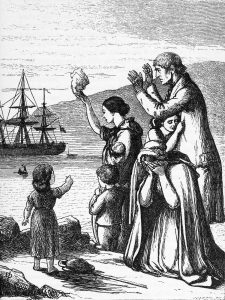
  9. Leaving Ireland, Henry Doyle 1827-1892. Mary Frances Cusack. Illustrated History of Ireland, 1968.

    Resolving Family Mysteries: If your family has long-standing mysteries, myths, or unanswered questions, a professional genealogist can help uncover the truth and shed light on hidden aspects of your family history.

  10. Educational Opportunities: Many professional genealogists offer educational services alongside their research, helping you understand the methods they use, the historical context of your family’s story, and how to continue your own research in the future.
  11. Preserving Heritage: Genealogists can assist in preserving family stories, traditions, and cultural heritage. They can uncover narratives that might have been forgotten, ensuring that your family’s history is passed down accurately..

New Family History Course beginning September in Bristol

Discover your Family History –

Discovering your Family History made easy: For complete beginners and the amateur Genealogist.                                                                                       

Heritage Found black and white image of family

Delve into the fascinating world of ancestral exploration and gain valuable skills to trace your roots. Discover how to harness the power of online genealogical search websites, master UK and other countries census records and parish registers, and decipher birth, marriage, and death certificates with ease. Create a stunning family tree that showcases your heritage and avoid the pitfalls that often trap amateur genealogists. Embark on a thrilling journey of self-discovery and connect with your ancestors in ways you never thought possible. Enrol now and unearth the hidden treasures of your family history!                 

(I could take one more)


Wednesdays 6.30pm-8.30pm                                                           

10 sessions from 27th September at Stoke Lodge, Bristol

To enquire or book please click HERE

Spring/Summer Family History Courses

Thursday 28 April 2022 and 16 June – spaces available on these 5 week Family History Courses that will boost your research and social history knowledge! 

New courses Family History Course for this Spring 2022 at Stoke Lodge Bristol now ready to book online. (Please note courses may move on line if government regulations change).

Details HERE

New course week 2: Birth, Marriage and Death

This week my class investigated searching for birth, marriage and death registrations. As our research progresses it is very rewarding to send off for copy certificates. I have sent off for a further two death certificates of ancestors or mine today. During the 19th century, and with couples usually having large families, it is sadly only too common to discover that several children had died during childhood within one household.  I personally find it fascinating to find out what had caused these children’s early demise. Unfortunately I discovered one child had drowned in a pond, but many others died of contagious infections which we no longer fear, such as whopping cough.

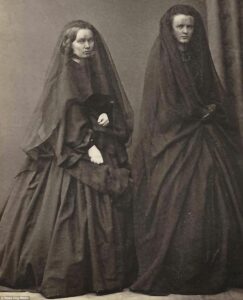
These tragedies would have affected the family very deeply, and this was perhaps one reason why people tended not to talk about their grief – because of the fear that life was very precarious for their children.

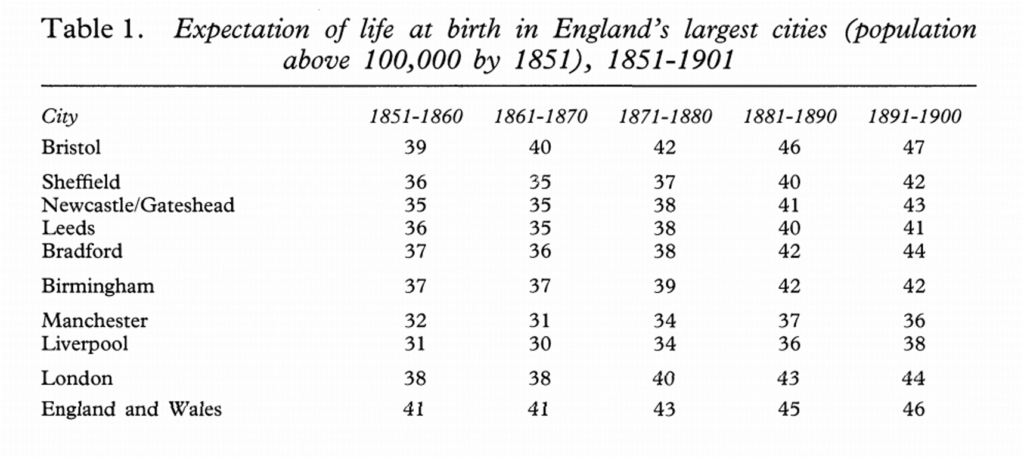
Life expectancy was low compared to today. One of the reasons was the death of infants and children from disease. However, poor housing, pollution, and lack of sanitation also resulted in causing early deaths in all ages.

To send off for a copy certificate is easy. As use the GRO web site as they are the cheapest option and the quickest. Send off HERE